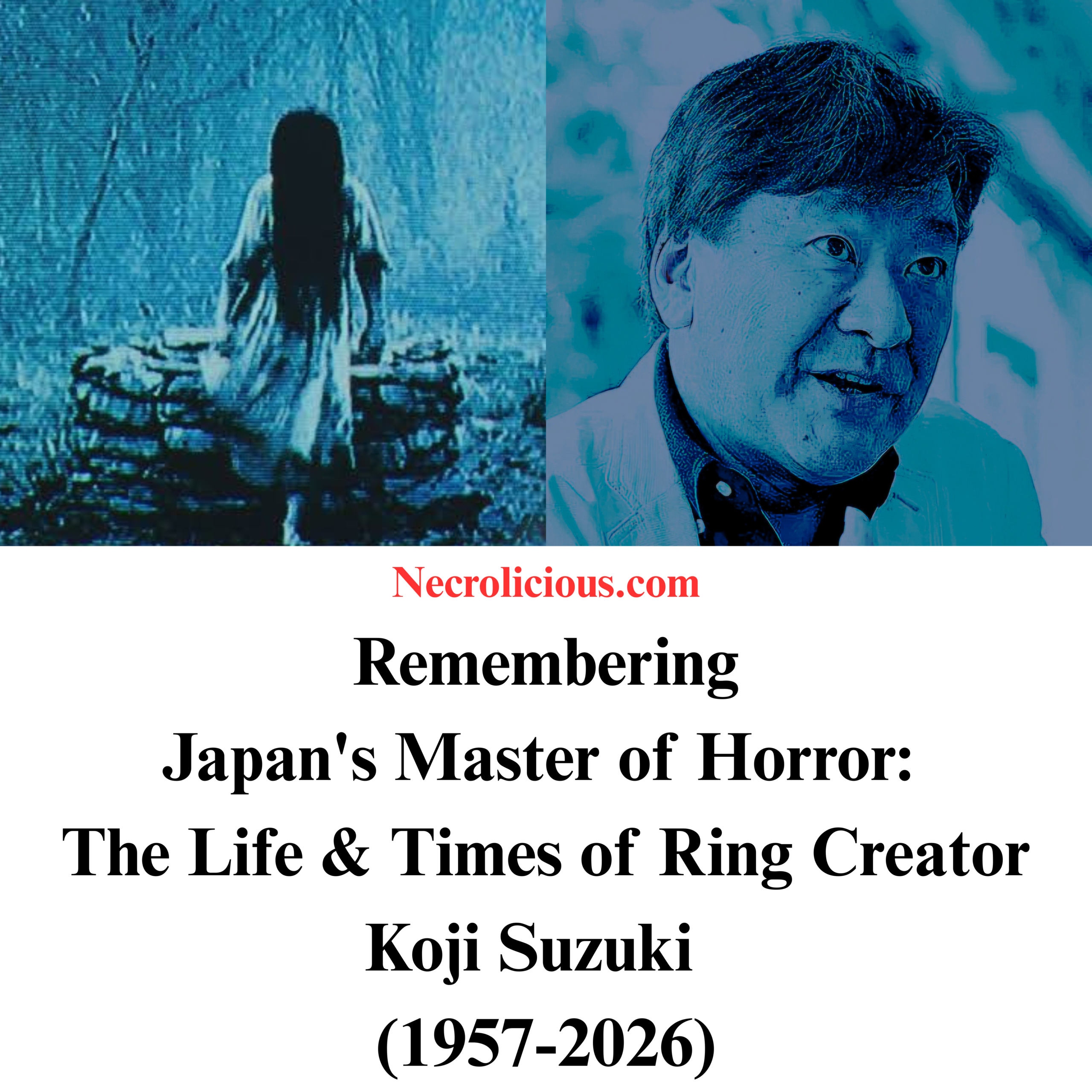
Remembering Japan’s Master of Horror: The Life & Times of Ring Creator Koji Suzuki (1957-2026)

@necroliciouseng

Remembering Japan’s Master of Horror: The Life & Times of Ring Creator Koji Suzuki (1957-2026) #kojisuzuki #thering #sadako #samaramorgan #horror

♬ Samara’s Song (From: “The Ring”) – Thomandy

この記事の日本語版を読む/Read this article in Japanese

When Koji Suzuki passed away on 8 May 2026 at the age of 68, the world of Japanese horror lost one of its most influential voices. His publisher KADOKAWA Horror Bunko confirmed the news, noting that the author of the Ring series died in a Tokyo hospital after a battle with illness, just days before his 69th birthday.

This article examines Suzuki’s remarkable career through a detailed timeline of his life & works, explores the cultural phenomenon his stories created, as well as the impact his work had on my own life.

Who Was Koji Suzuki? The Man Behind Modern J-Horror

Koji Suzuki, born Suzuki Kōji on 13 May 1957 in Hamamatsu, Shizuoka Prefecture, blended supernatural terror with contemporary anxieties in ways that resonated far beyond Japan. After graduating from Keio University’s Department of French Literature, he held various jobs before embracing full-time writing in the early 1990s. As a househusband who famously drafted early novels while caring for his two daughters, Suzuki infused his fiction with themes of family, technology & the unknown.

His breakthrough came not through traditional horror tropes but through stories that felt unsettlingly plausible. The Ring series, beginning with the 1991 novel, transformed a cursed videotape into a global symbol of dread, sparking a wave of J-horror films that influenced Hollywood & international cinema alike. Suzuki’s ability to merge folklore with modern fears earned him the 2022 Bram Stoker Award for Lifetime Achievement from the Horror Writers Association, cementing his status as a master of the genre.

Complete Timeline of Koji Suzuki’s Life & Major Works

A clear chronological view reveals how steadily Suzuki built his literary universe while balancing personal life & creative output.

  • 13 May 1957: Born in Hamamatsu, Shizuoka Prefecture, Japan.
  • Late 1970s to early 1980s: Graduated from Keio University’s Department of French Literature & held various odd jobs.
  • Circa late 1980s to early 1990s: Married a high-school teacher; became a househusband while raising two daughters & writing with a baby on his lap.
  • 1990: Debut novel Rakuen (Paradise) published; shared the Japan Fantasy Novel Award (Superior Prize).
  • 1991: Ring (Ringu) released—the novel that launched the series & defined modern Japanese horror.
  • 1995: Spiral (Rasen), the direct sequel, published alongside the short-story collection Death & the Flower.
  • 1996: Short-story collection Dark Water (Dāku Wōtā) appeared.
  • 1998: Loop (Rūpu) completed the original Ring trilogy.
  • 1999: Birthday, a collection tying the trilogy together, released.
  • 2003: Standalone novel Promenade of the Gods published.
  • 2008: Edge released; later won the 2012 Shirley Jackson Award for Best Novel.
  • 2012: S published as the fifth entry in the expanded Ring series.
  • 2013: Tide concluded the series.
  • 2022: Received the Bram Stoker Award for Lifetime Achievement; English re-release of earlier works such as The Shining Sea (original Japanese 1993) highlighted his international reach.
  • 8 May 2026: Died in Tokyo at age 68, as confirmed by KADOKAWA Horror Bunko & reported by NHK World-Japan & Anime News Network.

This timeline underscores Suzuki’s disciplined productivity. From debut to final works, he consistently explored human vulnerability amid technological & supernatural threats, a hallmark that kept readers returning for more than three decades.

The Ring Series & Its Cultural Phenomenon

The Ring franchise remains Suzuki’s most recognisable achievement. Beginning with the 1991 novel, the story of a cursed videotape that kills viewers in seven days tapped into widespread fears of mass media & urban legends. Subsequent books—Spiral, Loop, Birthday, S & Tide—expanded the mythology with scientific, psychological & metaphysical layers, transforming a simple horror premise into a sprawling saga.

Critics & fans alike note how Suzuki wove Japanese folklore (the vengeful spirit) with contemporary concerns such as viral information & genetic engineering. The series sold millions worldwide, inspiring manga, video games & stage productions that sustained its relevance long after initial publication.

Media Adaptations That Shaped Global J-Horror

Suzuki’s novels quickly moved beyond the page, creating a multimedia legacy that introduced millions to Japanese horror.

  • 1995: First screen version, a television movie adaptation of Ring.
  • 1998: Hideo Nakata’s theatrical Ringu became a box-office sensation & ignited the J-horror boom.
  • 1998–1999: Spiral film & Ring 2 (a direct sequel to the 1998 film) followed; a Korean remake, The Ring Virus, appeared in 1999.
  • 2000: Prequel Ring 0: Birthday.
  • 2002: Japanese Dark Water film & Hollywood’s The Ring starring Naomi Watts.
  • 2005: The Ring Two & the American Dark Water remake.
  • 2012–2013: Sadako 3D & its sequel modernised the franchise.
  • 2016: Crossover Sadako vs. Kayako with Ju-On/The Grudge.
  • 2017: Hollywood’s Rings.
  • 2019: Standalone Sadako.
  • 2022: Sadako DX.

These adaptations not only popularised Sadako’s image—the long-haired figure emerging from a well—but also demonstrated how Suzuki’s work transcended borders, influencing directors from around the world.

Ringu Collection
Buy on Rakuten Japan

Timeline of Koji Suzuki’s Influence on My Life

This is probably going to sound crazy to a number of people, probably even most, but I didn’t get interested the Ring as a fan. I first encountered a ghost or spirit that bore a striking resemblance to Sadako/Samara roughly a year before I had any knowledge of the film or novels. The apparition appeared in a condominium in Arizona, a location already marked by other unexplained activity–at night, despite being in the desert, the rooms would inexplicably fill with fog, & some nights slow, deliberate hoof-beat sounds emanated from the hallway—not the gallop of a horse but the slow walk of some creature that no one in my family was ever able to see. One morning, I awoke to find the Sadako-like figure sitting directly on my chest. I couldn’t move anything but my eyes &, when our eyes met, she appeared startled that I could see her. She then extended a single finger & pressed it against my forehead. It was as cold as ice. This mere skin contact forced me back to sleep against my entire will since I was in full fight or flight mode. I have never encountered anything similar before or since, & I have no explanation for what it was. I do not believe it was literally Sadako/Samara nor the Himeji Castle ghost who inspired her, given that Arizona lies nearly 10,000 miles from Japan, yet the visual match was unmistakable. This event sparked both a deep-seated fear & an enduring fascination with the character that surpasses any other in the horror genre. Anyway, that’s my story. You can think I’m crazy or not, but to me, she’s real. Now that that’s out of the way, I will provide a rough timeline below.

  • 2003: Saw Sadako/Samara-like ghost.
  • 2004: Saw the Ring for the First Time.
  • 2006-2008: Read Kouji Suzuki’s Rings novels.
  • 2017: Dressed up as Sadako for Halloween.
  • 2020: Named female main character in Gothest “貞子” in honour of Suzuki’s character.

Needless to say Suzuki’s work has had a profound effect on me, so I was very shocked & dismayed to learn of his passing, but I remain grateful for everything he gave us & wish the best for him in whatever lies beyond.

Fans Honour the Legacy: Calls for a Tribute Statue in Japan

In the days following Suzuki’s passing, tributes poured in across social media. One particularly creative fan post from @ookiisamurai on 10 May 2026 proposed an interactive Sadako memorial statue in Izu—the very region where the cursed villa appears in the novels. Suggestions included well sounds triggered by approach & a QR code that plays the curse video, blending reverence with signature horror flair.

While the post has garnered hundreds of likes & supportive replies, it reflects a broader sentiment: many readers view Sadako as a cultural icon comparable to Godzilla or Pikachu & believe a permanent monument would honour both the character & her creator.

How Likely Is a Sadako Memorial Statue? Balanced Analysis

A public tribute statue is moderately possible in the medium term but remains unlikely in the immediate future. Japan has a strong tradition of commemorating fictional characters & authors through public art, especially when such installations boost tourism. Examples include life-size Doraemon statues in Kawasaki, the Godzilla head in Shinjuku & monuments to literary figures in their hometowns. An Izu-based Sadako statue could leverage the region’s connection to the novels & appeal to horror enthusiasts worldwide.

Yet practical considerations temper optimism. Suzuki’s death occurred only days ago; major memorials typically require years of planning, permits, funding & approval from rights holders such as KADOKAWA. Current fan momentum is genuine but localised, lacking the scale of organised petitions or corporate backing seen in past projects. Copyright clearance, maintenance costs for any interactive elements & the need for local government support in Shizuoka Prefecture add further layers of complexity.

On balance, the cultural fit is strong & the Ring franchise’s enduring popularity provides a solid foundation. If fan enthusiasm evolves into coordinated efforts—perhaps through crowdfunding or engagement with tourism boards—a tasteful memorial could materialise within three to ten years.

Cultural Context: Japan’s Tradition of Character & Author Monuments

Public art in Japan frequently celebrates pop-culture icons as living heritage. Anime & manga characters receive statues in author hometowns or filming locations because they drive visitor numbers & community pride. Literary memorials, though less common than character statues, exist for authors whose works shaped national identity. Suzuki’s blending of horror with universal themes of technology & family positions him well within this framework, much as Hayao Miyazaki’s Studio Ghibli creations have inspired physical tributes.

Practical Ways Fans Can Support a Memorial Project

Enthusiasts eager to contribute can take concrete steps. Sharing thoughtful proposals on social media, signing or starting petitions on platforms like Change.org, & contacting Shizuoka Prefecture tourism offices or KADOKAWA directly help build visibility. Organised fan events, such as Izu location tours or charity screenings, could generate both funds & public interest. Above all, respectful dialogue with rights holders ensures any memorial remains faithful to Suzuki’s vision.

Further reading on Necrolicious.com

For insights into Japanese media adaptations, see how Japanese media adapts international properties.
Explore dark & atmospheric game releases in Japan with LEGO Batman: Legacy of the Dark Knight – Arkham Inspiration, Release Details & Everything Fans Need to Know.
Understand Japanese gaming hardware & industry trends via Nintendo Switch 2 Price Increase: How ChatGPT & the DRAM Shortage Are Driving Worldwide Electronics Costs Higher.
Additional perspective on gaming culture appears in Steam’s New $99 Controller Sells Out in 30 Minutes.

Necrolicious “Necro Licious” Funny Vampire Fangs Lips Meme 100% Cotton Unisex Tee
Buy on Printify

FAQ

When did Koji Suzuki die?
He passed away on 8 May 2026 in Tokyo, as confirmed by his publisher KADOKAWA Horror Bunko.

What is the Ring series about?
The original trilogy & its expansions centre on a cursed videotape that kills viewers in seven days, expanding into broader explorations of technology, curses & human fate.

Is there already a Sadako statue in Japan?
No public memorial statue exists at present, though fan proposals for one in Izu have gained traction since Suzuki’s death.

Where can I learn more about Suzuki’s books?
English translations of Ring, Dark Water & other titles are widely available through major publishers, with recent re-releases timed to his lifetime-achievement recognition.

Koji Suzuki’s stories continue to terrify & captivate because they tap into timeless fears. Whether or not a Sadako statue rises in Izu, his legacy as the father of modern J-horror is already set in stone—through the pages he wrote & the imaginations he haunted.

Unless otherwise noted, image assets above are NOT original content & are shared under fair use doctrine with NO claims to authorship or ownership.
Contact necrolicious@necrolicious.com for credit or removal.

This post was sponsored by…ME! If you’d like to support, please buy my original meme merchandise or check out my affiliate links to get yourself some other cool things. Additional affiliate links may be contained in the above article. If you click on an affiliate link & sign up/make a purchase, I may earn a commission. This does not increase the price you pay for the product or service, so it helps support this website at no cost to you.
Share this:

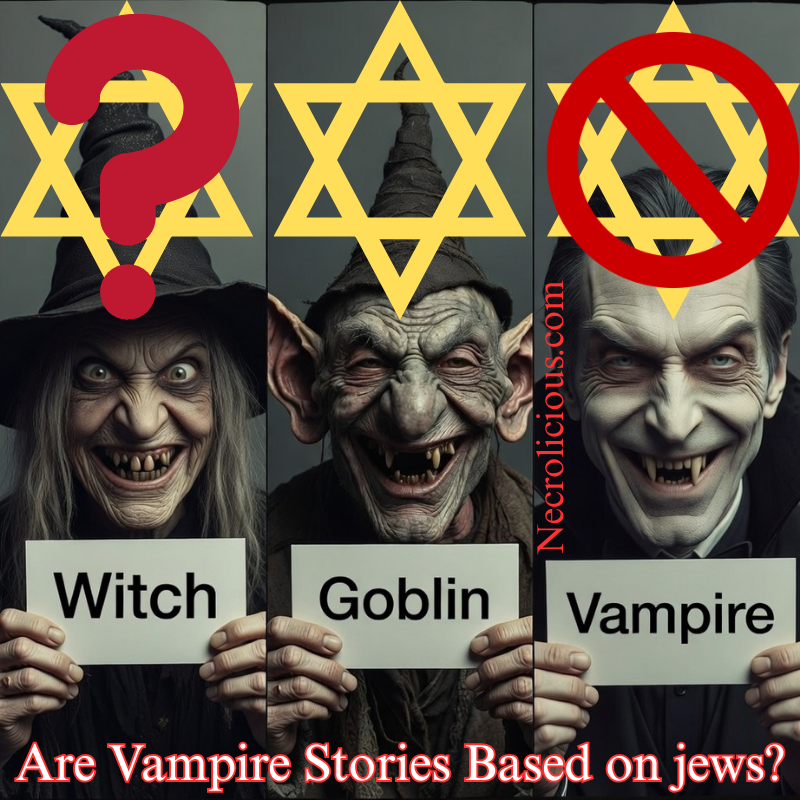
Are Vampire Stories Based on jews?

With the release of the Epstein files, more people than ever are seeing the jews for what they are. Many are now saying that vampire stories were cautionary allegories to avoid the jew. This is not only not true, but an insult to European culture & history. That is not to say that there is not some overlap, but that overlap comes from the jews themselves as they control Hollywood, which distributes latter day myths of the vampire as wealthy elite rather than loved ones who passed away but returned from the dead to feed on their own families. The further we look into this, the more we can see that there are indeed cautionary tales about the jews, & that other monstrous creatures are clearly allegories, but no traditional vampire belief before the film era has any direct connection to the jews.

Goblins/Trolls

Goblins, trolls & the like are most certainly an allegory for jews. These greedy, lazy, miserly creatures live on the fringe, ousted from civil society, causing nothing but misery upon all who befall & interact with them, & lets not overlook how jews certainly fit the physical description of the stereotypical goblin. On this topic, it may seem somewhat vain to say, but many jews have an utterly grotesque appearance. This isn’t mere happenstance or karma, it’s the result of millennia of inbreeding. The gut revulsion all non-jews feel upon gazing upon this isn’t something we should ignore. It’s nature itself warning us, just as a neon bullfrog’s colours warn us of its poison, to avoid the jew at all costs–as not doing so will result in a fate worse than death. There is far more representation here with goblinkind for the common jew than in any traditional vampire legend.

Witches

There is also far more overlap with the witch caricature & the Jew caricature rather than the vampire caricature–witches are often portrayed as ugly, with long, hooked noses. Witches’ dwellings have a foreboding atmosphere, which prompts them to be avoided. Witches kidnap & eat children. Witches have spellbooks which could be an allegory for the talmud, etc.

However, though these overlaps are remarkable, it is important to note that in the course of compromising the entirety of Europe by erasing its ethnic religions, which were branded as “paganism,” any European practicing their native ethnic religion was also branded a “witch” &, oftentimes, they were killed as a result. This was done to force Europeans to adopt the abrahamic worldview of the jew. This continues to this day. According to judeo-christians, you either worship a jew or you worship the devil–any other religion simply does not exist. After centuries of such scarring, the compromise of the European mind is so thorough that, despite the child sacrifice & child sacrifice committed by jews for the benefit of israel as detailed in the Epstein files, those who read the sordid details pray to the jew named Jesus to save everyone from, you guessed it, the jews. That’s like asking the queen bee to stop her worker bees from doing what benefits her hive–it just doesn’t work!

I don’t think enough people realise that abrahamic religions promise you Heaven after you die being obedient so jews can steal this world. Even now, very few are willing to act to change things because of this jewish programming which makes people think resisting will result in an eternity in Hell, a fear which was instilled within them during their vulnerable formative years.

Vampires

Finally getting to vampires, the core of this, article. As stated above, nearly all traditional European legends of vampires are merely about a family’s members, close friends or even a local villager coming back from the dead to feed upon those that survived them–in short, a “revenant.” The only overlap between the vampire & the jew is a parasitic nature. There was no belief in any region of Europe that anybody who was not jewish in life could somehow magically become jewish after they are dead. This is not to say that there are not other instances of racism to be found among vampire lore. For example, the Albanians said that not only do all of us Turks become a type of vampire called a “sampiro” upon dying, anybody who had close relations with Turks will also become a sampiro vampire upon dying. “Close relations” could be anything from sex with a Turk or marriage to a Turk or eating with Turks or even eating food prepared by Turks. Though our relations with the Albanians are better these days, this is the closest instance of direct racial overlap between vampire lore & any existing ethnicity which can be found prior to Hollywood’s portrayal of the vampire as a wealthy elite, which may have been done to counter the imagery of early silent film, Nosferatu, which portrays a vampire as a parasite with exceptionally jewish features. Still, jews are not cool like vampires. They are ugly as Hell & nobody wants anything to do with them if it doesn’t involve getting money–money which was, in the first place, stolen from non-jews through excessive taxation. Jews also have no supernatural powers. They cannot fly or transform into animals or mists, all they can do is call you an antisemite if you notice or call attention to the societal imbalance heavily weighed in their favour at the expense of everyone & everything else. Though we have concretely established that jews are NOT the source of traditional vampire lore, the same methods of disposing of revenants should be applied.

Unless otherwise noted, image assets above are NOT original content & are shared under fair use doctrine with NO claims to authorship or ownership.
Contact necrolicious@necrolicious.com for credit or removal.

This post was sponsored by…ME! If you’d like to support, please buy my original meme merchandise or check out my affiliate links to get yourself some other cool things. Additional affiliate links may be contained in the above article. If you click on an affiliate link & sign up/make a purchase, I may earn a commission. This does not increase the price you pay for the product or service, so it helps support this website at no cost to you.

Share this:

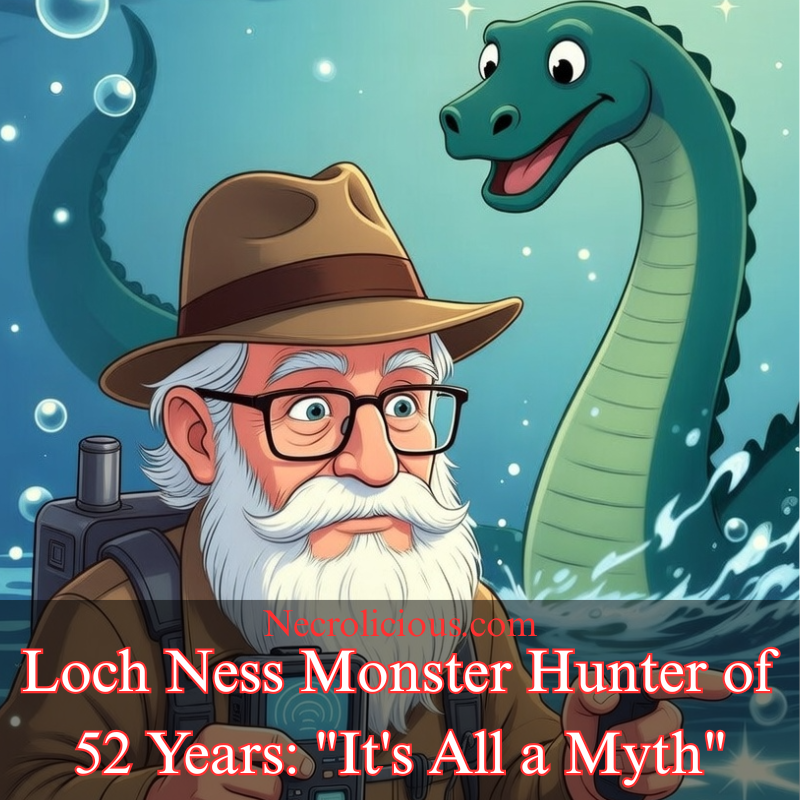
Loch Ness Monster Hunter of 52 Years: “It’s All a Myth”

@necroliciouseng

Loch Ness Monster Hunter of 52 Years: “It’s All a Myth” #lochnessmonster #lochness #nessie #paranormal

♬ 怪物 – YOASOBI

After more than half a century dedicated to investigating one of the world’s most enduring legends, Adrian Shine, the veteran naturalist & founder of The Loch Ness Project, has declared the Loch Ness Monster a myth. At 76, Shine has entered semi-retirement from active fieldwork, marking the end of an extraordinary chapter in the quest to understand the creature affectionately known as Nessie.

His conclusion comes not from frustration, but from a lifetime of rigorous, evidence-based scrutiny. Armed with sonar sweeps, submersibles, sediment analysis & collaborations with universities, Shine has explored the loch’s ecology & the psychology behind sightings. Recent advancements in technology – including high-resolution sonar, drones & environmental DNA (eDNA) sampling – have only reinforced his view: no large unknown vertebrate exists in the nutrient-poor depths of Loch Ness.

Yet the legend persists, fuelled by human perception, optical illusions & the enduring appeal of mystery. Shine’s work has illuminated the loch’s natural phenomena – boat wakes creating multi-humped waves, misidentified waterbirds & atmospheric refraction distorting distant objects – while explaining why so many “sightings” feel convincing.

The Ancient Origins of the Legend – Dispelling a Modern Myth

The story of a mysterious water beast in the Loch Ness area dates back far earlier than many assume. The earliest recorded account appears in the 7th-century Life of St. Columba by Adomnán, describing an event in 565 AD. Irish monk Saint Columba encountered locals burying a man killed by a ferocious “water beast” in the River Ness (the loch’s outflow). Columba commanded the creature to retreat, & it fled – a tale of saintly triumph over peril that fits medieval hagiographic traditions.

This predates the modern “Nessie” phenomenon by centuries. The 1930s brought widespread attention, sparked by a 1933 sighting & the infamous (later debunked) “Surgeon’s Photograph” hoax. But the idea of a large aquatic creature in the region is rooted in ancient Celtic folklore, including water spirits like kelpies.

A persistent rumour links the legend’s origins to occultist Aleister Crowley, who owned Boleskine House on the loch’s southeast shore from 1899. Crowley used the isolated property to attempt the lengthy Abramelin ritual (from The Book of the Sacred Magic of Abramelin the Mage), aiming to contact his Holy Guardian Angel. He abandoned it incomplete, leading to claims that unbound spirits or demons “created” or “unleashed” the monster.

This notion is a modern myth with no historical foundation. Sightings & folklore existed long before Crowley’s arrival (around 1900–1913), & the major Nessie boom occurred in 1933 – decades later. Crowley’s stay adds a layer of spooky intrigue, but it did not invent the legend.

A Passion Project, Not a Profession

Shine arrived at Loch Ness in 1973 as an amateur naturalist, initially drawn by tales of a fishing boat “attacked” by something mysterious. He founded The Loch Ness Project in the mid-1970s, shifting focus to scientific study of the loch’s environment rather than assuming a monster’s existence.

This was never a salaried “monster-hunting” role. It evolved into a dedicated, long-term pursuit supported by collaborations with academics, volunteers, media contributions & associations with the Loch Ness Centre (where he designed exhibitions & shared findings). Equipment like custom submersibles & sonar came through opportunistic funding & partnerships – a labour of curiosity about lake ecology & human perception, not a paid quest for Nessie.

Famous efforts include Operation Deepscan (1987), a massive sonar sweep with 24 boats. In recent years, as technology advanced, Shine embraced tools like eDNA (which detected abundant eels but no exotic large vertebrates) & drones. Paradoxically, these innovations have made the absence of a monster clearer, not easier to prove.

The loch’s cold, deep, nutrient-poor waters support limited biomass – insufficient for a large predator population. Sightings align with mundane explanations, & modern AI scrutiny dismisses many photos/videos as generated fakes.

Why the Myth Endures in the Age of Technology

Even today, with drones, 4K cameras & AI anomaly detection, definitive proof remains elusive. Should compelling evidence emerge, the immediate response would likely include cries of “AI!” – a credibility crisis born from hyper-realistic deepfakes.

Shine remains open to new data but concludes the evidence points to myth. His semi-retirement reflects age & the weight of accumulated findings, shifting focus to reflection, writing (including a 2024 book on sea serpents) & education. A few online commentators have playfully suggested that Shine’s declaration is itself part of a cover-up – that he finally discovered the creature & now calls it a myth to shield it from further intrusion. While such theories add to the fun of the legend, they overlook the transparent, evidence-driven nature of his 52-year investigation. Shine has consistently shared his methods, collaborated openly with scientists, & welcomed new data that might overturn his conclusions.

“You cannot kill a legend with science,” Shine has noted.

Buy on SUZURI

Unless otherwise noted, image assets above are NOT original content & are shared under fair use doctrine with NO claims to authorship or ownership.
Contact necrolicious@necrolicious.com for credit or removal.

This post was sponsored by…ME! If you’d like to support, please buy my original meme merchandise or check out my affiliate links to get yourself some other cool things. Additional affiliate links may be contained in the above article. If you click on an affiliate link & sign up/make a purchase, I may earn a commission. This does not increase the price you pay for the product or service, so it helps support this website at no cost to you.
Share this:

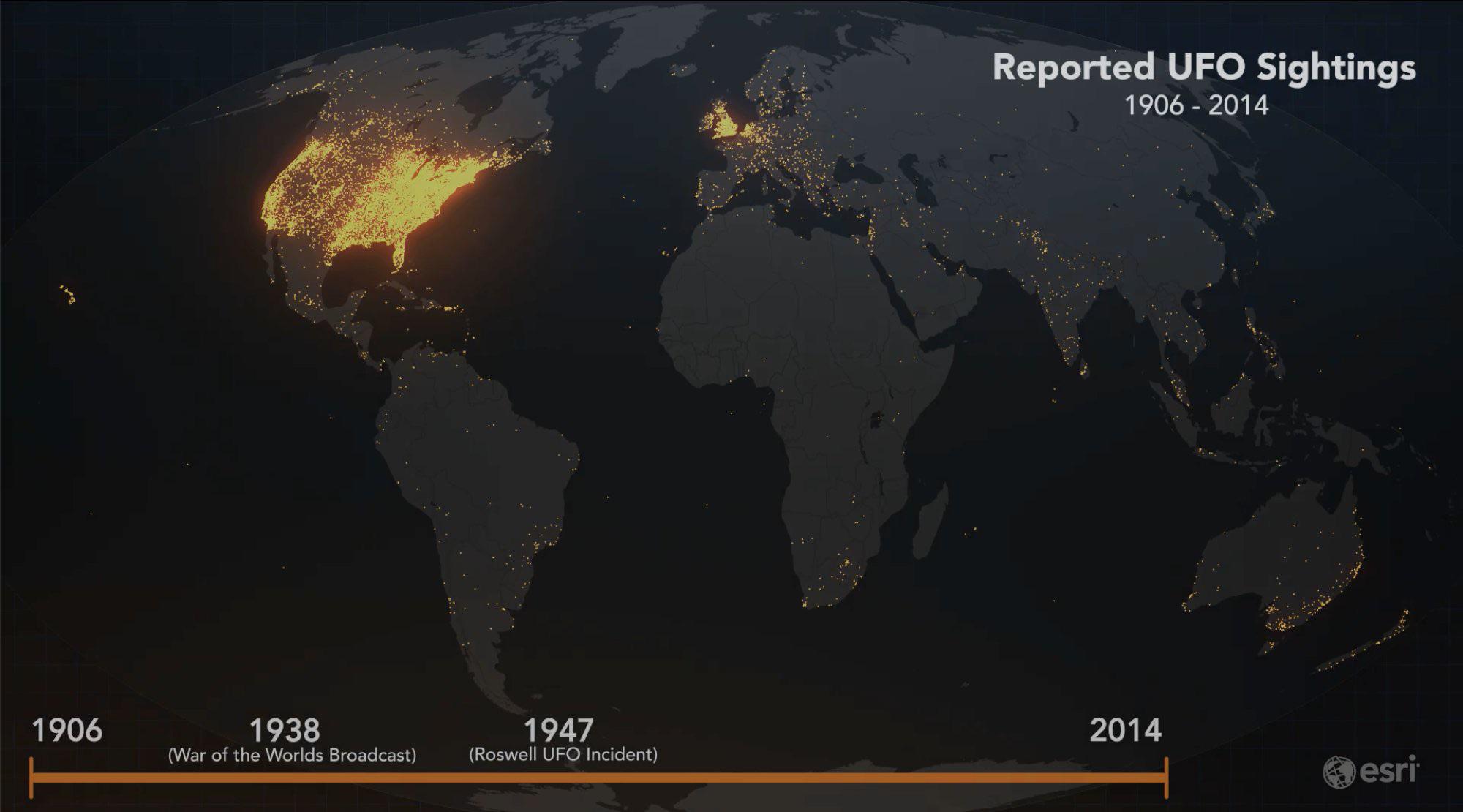
Are Aliens Racist or Something?

Unless otherwise noted, image assets above are NOT original content & are shared under fair use doctrine with NO claims to authorship or ownership.
Contact necrolicious@necrolicious.com for credit or removal.

This post was sponsored by…ME! If you’d like to support, please buy my original meme merchandise or check out my affiliate links to get yourself some other cool things. Additional affiliate links may be contained in the above article. If you click on an affiliate link & sign up/make a purchase, I may earn a commission. This does not increase the price you pay for the product or service, so it helps support this website at no cost to you.

Share this:

Let Fear Sink into Your Soul

Is this a real monster? Watch this video & comment your thoughts!

I honestly don’t know.
In case you’re wondering, I don’t have the source of this video or know its background. It could be real or it could be staged.
Some people say it’s a bat or a monkey or a bear with mange, but others are convinced it’s really a demon or a monster.

What are your thoughts?

If anybody finds out more on this video, I would love to know!

Unless otherwise noted, image assets above are NOT original content & are shared under fair use doctrine with NO claims to authorship or ownership.
Contact necrolicious@necrolicious.com for credit or removal.

This post was sponsored by…ME! If you’d like to support, please buy my original meme merchandise or check out my affiliate links to get yourself some other cool things. Additional affiliate links may be contained in the above article. If you click on an affiliate link & sign up/make a purchase, I may earn a commission. This does not increase the price you pay for the product or service, so it helps support this website at no cost to you.

Share this: